
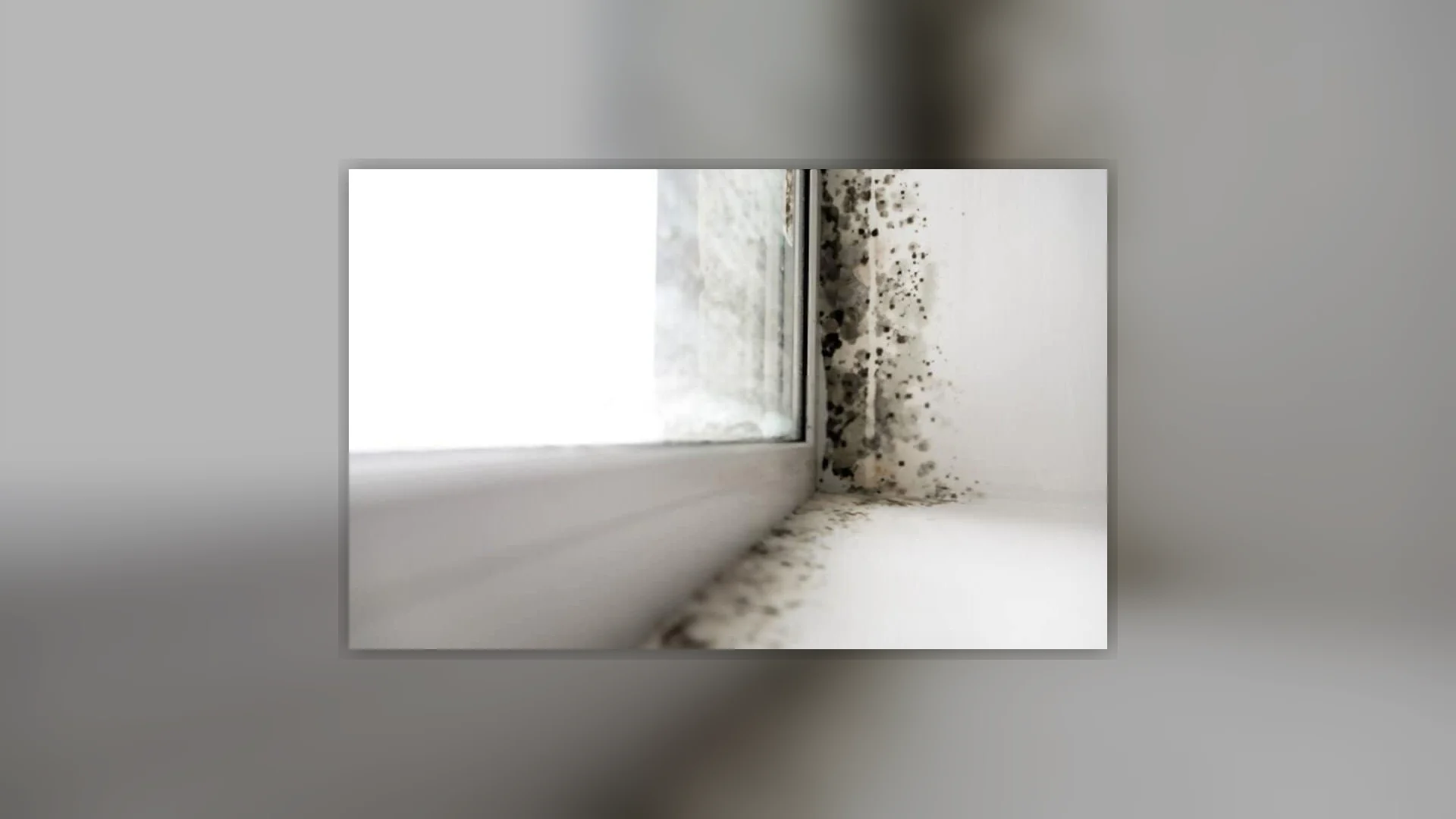
In many instances, this leads to severe health and safety concerns. Mold is hazardous to health, and removing it at first sight is essential. As soon as you figure out mold growth in your residential or commercial area, it would help if you got rid of it because it spreads in the air and causes asthma, breathing difficulties, allergies, and many other health issues.
Understanding the different types of mold in New Zealand is vital because some are more fatal than others. The appearance of the mold might look the same in all cases, but different types appear in various forms and colors. Mold is categorized into Hazard Classes A, B, or C.
Types of Mold
- Stachybotrys: Black appearance in damp/moisture-exposed areas. Class A hazardous mold causing health complications.
- Alternaria: Hazard Class B, grows in moisture and damp conditions. Gray or black appearance near windows, damp soil, or walls.
- Acremonium: Class A, B, and C type with multiple mold bacteria. White, gray, and black colors. Found in false ceilings and drywall.
- Aspergillus: Gray, brown, green, blue, or yellow appearance. Grows in water-exposed areas. Hazard Class A or B. Harmful to those with breathing conditions/asthma.
- Cladosporium
- Penicillium: Hazard Class A, B, and C
How to remove the different types of Mold in New Zealand?
Mold removal is a process that must be dealt with professionally. There are tons of remedial hacks that claim to remove mold growth, but they are only removing them from the surface. However, mold clings to the surface's internal layers and spreads rapidly as it finds favorable conditions.
The use of baking soda, cornstarch, vinegar, and water should not be used in areas that are already in damp and moist conditions. Instead, call professional help and ask experts for their consultation services on removing mold completely without damaging the foundation or any property surface.
Prevention Measures
- Proper cleaning and ventilation of the area
- Opening windows/doors to ensure dryness and moisture-free environment through airflow and sunlight
- Removing contaminated objects
- Disinfecting with mild-bleaching substances avoiding discoloration
- Covering surfaces with plastic or cloth to remove dirt/moisture buildup
- Installing exhaust fans for air circulation
Need Professional Cleaning Help?
CleaningPRO Auckland provides expert cleaning services for homes and businesses across Auckland.
Professional guidance from CleaningPro Auckland
Different Types of Mold in New Zealand is easiest to manage when you combine safe day-to-day maintenance with the right professional help at the right time. Auckland homes deal with humidity, coastal air, winter moisture and busy family traffic, so cleaning problems can return quickly if the source is not handled properly.
When to call a professional
Call a professional cleaner when staining, odour, moisture, mould risk, delicate fabrics, tenancy requirements or commercial presentation are involved. A trained technician can assess the material, choose the safest method and help avoid damage from over-wetting, harsh chemicals or incorrect DIY products.
Common mistakes to avoid
- Using too much water or detergent and leaving residue behind.
- Scrubbing delicate surfaces aggressively instead of testing first.
- Masking odours without treating the source.
- Waiting until a small cleaning issue becomes a bigger restoration problem.
Maintenance frequency
For most Auckland properties, routine cleaning should be supported by periodic deep cleaning. High-traffic homes, rentals, offices, pets, children and damp rooms usually need attention more often. If you are unsure, CleaningPro can recommend a practical schedule after understanding the property and condition.
Need help? Call 09 884 0343 or request a CleaningPro quote for clear Auckland-based advice.
Need professional help? Share your job details for a confirmed scope from our Auckland team.